Week 6 - Random Seeding
Date: 2026-09-28
Today
- what is randomness to a computer?
- Seeding Randomness
- Strudel Performance practice
- Studio time: L5 Community Jam project
Computers are not good at being random…
100 Random Digits
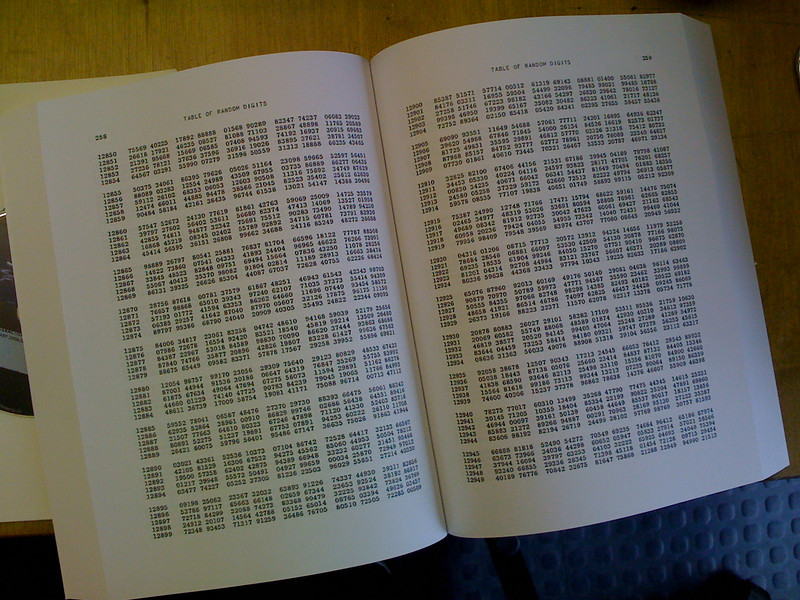
A Million Random Digits with 100.000 Normal Deviates, Photo
by Sascha Pohflepp on Flickr CC BY
A Million Random Digits with 100,000 Normal Deviates on Wikipedia
Lavarand, aka The Wall of Entropy
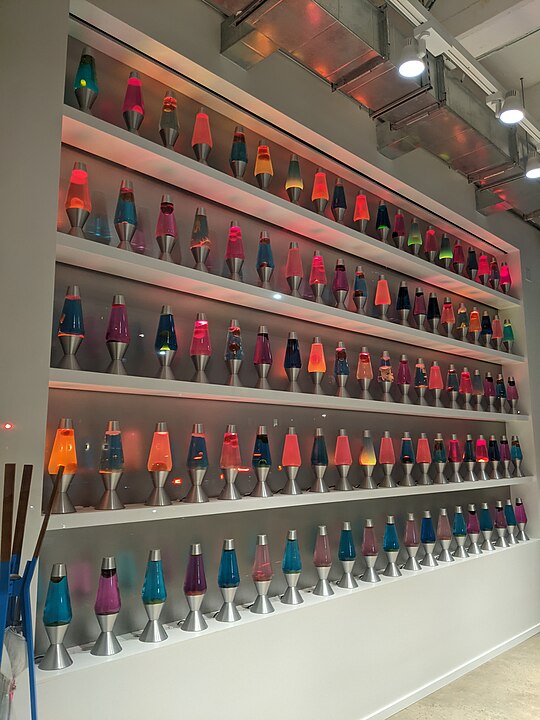
A wall of lava lamps at the offices of Cloudflare, Photo
by HaeB on Wikimedia

Quantum Random Number Generation (QRNG)
- Nuclear decay
- Shot noise
- optics
Quantum Random Number Generation on Wikipedia
Being random is expensive, and usually not that important… (casinos etc)
But you can sort of simulate randomness by using complex math. Randomness is really just a word we use when two things are unrelated or unpredictable in context. The pattern that prngs (pseudo-random number generators) produce is too complicated to be recognized, so it feels random. The same could be said about true random, but on a much larger scale, i.e. no human or computer can predict the pattern.
Seeding Randomness
A seed is the starting point of this psuedo random function, which continues to get complicated, and ends up in a different (same) place depending on the start. You’re setting the start of a path.
(nothing is random - just uncoupled from each other)
Oblique Strategies sketch by amcc
…but constraining it to be one per day.
Daily oblique Strategies by Jonah Senzel
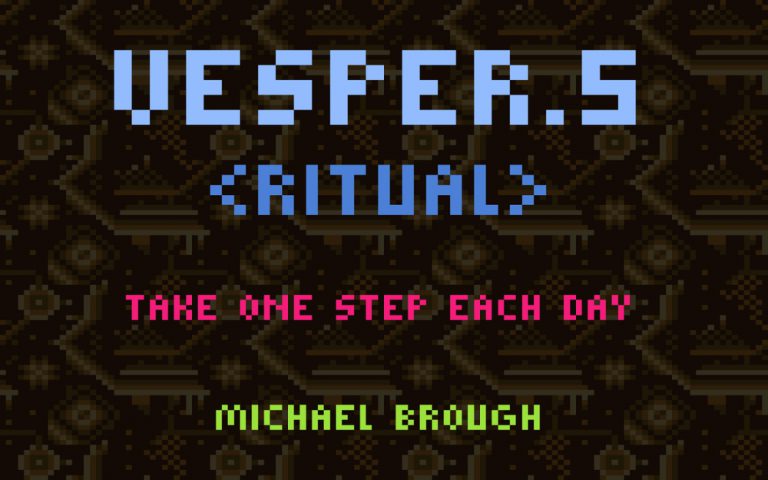
Vesper.5
by Michael Brough
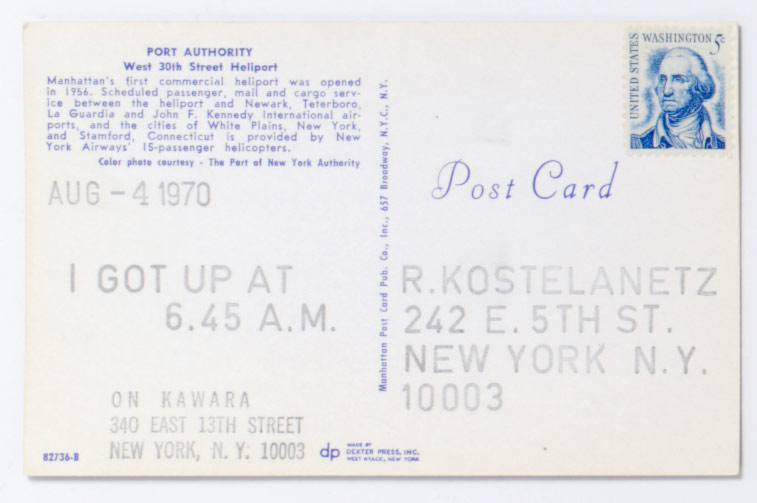
I Got Up, by On Kawara
I got up at The Metropolitan Museum of Art, NY
Examples of long term/daily time
The daily word magazine
Wordle
The
Longing
URL: http://www.399d-23h-59m-59s.com
Strudel performance practice
Practicing sets showing changing parameters.
Studio time + HW
Complete your L5 project and post it to a project page and submit to the L5 Community Jam. The project should have:
- title
- screenshots
- description
- downloadable project code
- ‘edit theme’ and choose fonts, colors, etc
- OPTIONAL, recommended: video screenrecording - Post to Youtube, then post link to your project page. There is an input box to enter it.
Exporting L5 Projects
You have several options for sharing your L5 project:
- You can export a .love file that anyone with LOVE installed on their computer can open (EASIEST)
- You can build a web application that will run in a browser, using a 3rd party tool. There are a few restrictions such as more limited sound options. And displaying your code sketch in a browser may not render well on phones/tablets. (MEDIUM DIFFICULTY)
- You can create an executable application for Mac and for Windows. In both cases you will need to combine your .love file with a copy of the LOVE application for the operating system you are targeting, and make some manual file changes. (ADVANCED)
Creating a .love file to distribute your project
Since L5 uses the LOVE library under the hood you can export your project as a .love file and anyone with LOVE installed can run it.